Transform Your Outdoor Space: Expert Landscaping Tips for a Stunning Home Garden
Transforming an outdoor space into a stunning home garden involves careful planning and deliberate implementation. By assessing the distinct features of a yard, individuals can establish definitive garden objectives. Selecting plants suited to the local climate is essential. Additionally, incorporating practical hardscape features enhances both beauty and functionality. However, the journey doesn't end there. Learning how to maintain vibrancy and sustainability can enhance any garden to the greater heights. What strategies will result in lasting success?
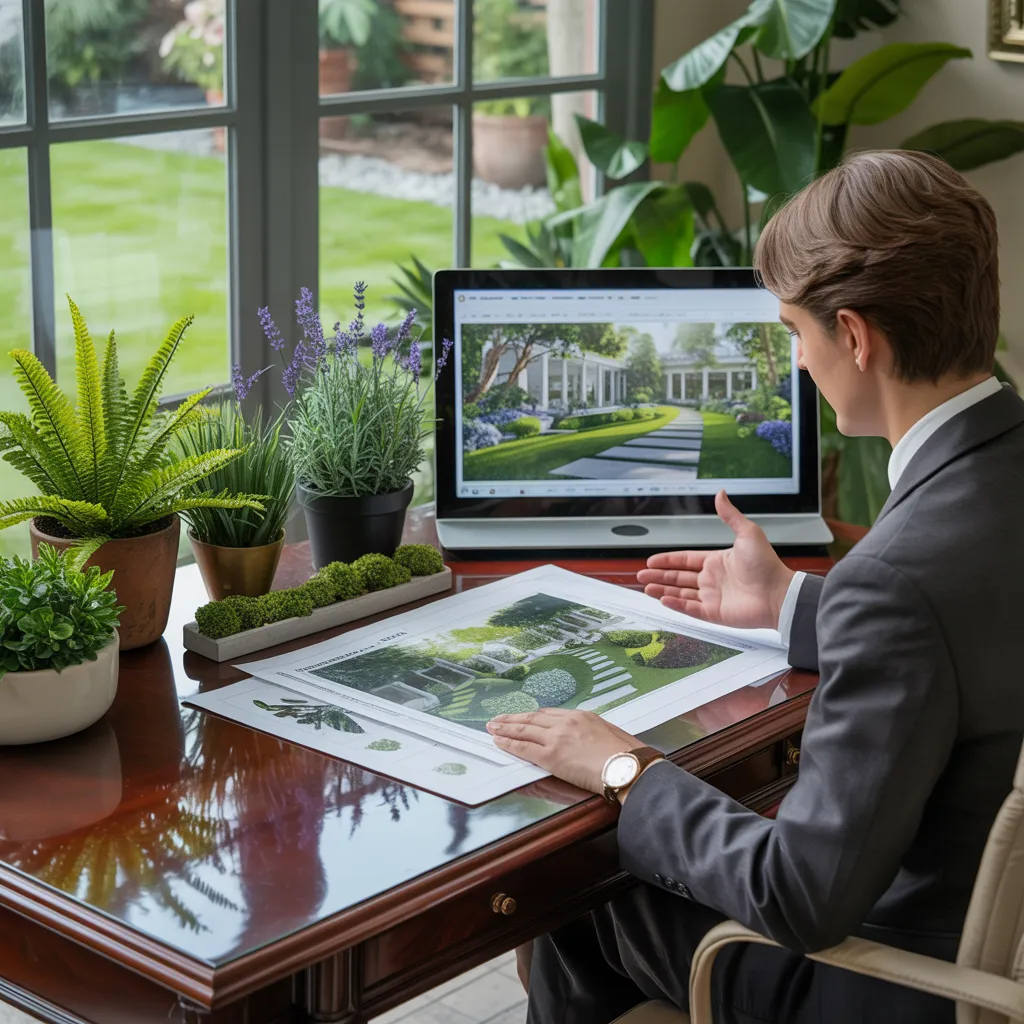
Evaluate Your Outdoor Area to Establish Your Garden Objectives
Before proceeding with any garden project, it is critical for residents to thoroughly assess their exterior area. This preliminary assessment allows them to understand the unique features of their property, such as sun conditions, ground quality, and existing plants. Identifying these aspects supports in determining which types of design features and landscape can be effectively incorporated into the area.
Homeowners should take dimensions and note any obstacles such as vegetation, fences, or walkways that may affect the design. Additionally, understanding individual tastes and living requirements—including entertainment spaces, gardening, or relaxation—can direct the garden objectives. By specifically establishing these objectives, homeowners create a strong base for a unified and practical outdoor environment. This thoughtful evaluation leads to a greater and satisfying garden renovation, ensuring the outdoor space enhances not only the home's aesthetic but furthermore fulfills the functional requirements of its residents.
Determine the Perfect Plant Selection for Your Local Environment
Picking the right plants for a specific climate is important for creating a flourishing exterior environment. Understanding local weather patterns, such as temperature ranges, precipitation, and moisture levels, enables homeowners select associated article vegetation that will thrive. Indigenous vegetation often adapt most effectively, needing minimal upkeep and irrigation. As an instance, drought-resistant varieties are ideal for dry climates, whereas water-preferring plants thrive in moisture-rich environments.
Gardeners should also consider seasonal changes; selecting plants that provide year-round interest enhances the garden. Early bloomers, summer perennials, and vibrant fall foliage can produce a dynamic visual experience. Additionally, speaking with local gardening centers or extension services can offer helpful information into sturdy vegetation suited to specific conditions.
Finally, a strategically designed vegetation arrangement improves not just visual appeal but also promotes local wildlife and advances ecological health, which makes it a wise choice for any exterior area renovation.
Enhance Your Garden With Structural Outdoor Design Elements
Functional hardscaping elements serve as vital components in structuring exterior environments and boosting their practical value. By incorporating seating areas and well-designed pathways, homeowners can create inviting environments that encourage relaxation and movement. Additionally, borders can help delineate different zones within the garden, adding structure and visual interest.
Structure Your Outdoor Environment
Creating a strategically planned outdoor space can transform a garden into an pleasant sanctuary. One effective approach to achieve this is through functional hardscaping elements, which provide organization and layout. Walkways made from natural stone or brick guide visitors while boosting visual appeal. Support walls can form tiered levels, improving the landscape's visual impact and preventing soil degradation. Barriers or screens can mark borders, ensuring seclusion and a sense of enclosure. Adding elevated planting zones not only establishes growing zones but also improves user accessibility. These elements work together to form separate areas that improve both visual appeal and practical use. Ultimately, a well-organized outdoor space creates a tranquil setting where homeowners can unwind and appreciate the outdoors.
Include Outdoor Seating Spaces
Incorporating seating areas into an exterior environment greatly improves its functionality and appeal. By integrating functional hardscaping elements, homeowners can create inviting spots for rest, gathering, or appreciating the outdoors. Options include benches, patio sets, or hammocks, each adding to the landscape's visual appeal and comfort. Thoughtfully positioning chairs near key areas like garden displays or fountains, encourages users to engage with their environment. Additionally, selecting materials such as wood or stone can match the landscape's style, ensuring a cohesive look. Shade structures, such as arbors or parasols, offer relief during hot seasons, ensuring these spaces are functional year-round. Ultimately, expertly crafted sitting zones convert a standard yard into a welcoming retreat for family and friends.
Create Pathways And Edges
Pathways and borders are important features in exterior design, leading people through your garden while reinforcing its structural value. These generate arrangement and circulation, helping distinguish multiple spaces and planting options. Stone, gravel, or brick materials can build durable pathways, whereas natural borders from vegetation or ornamental fencing increase aesthetic quality. Pathways can facilitate investigation, drawing notice to highlights such as planting zones or water elements. Well-designed borders stop weed growth and ground deterioration, promoting garden health. In summary, adding pathways and borders improves functionality and increases decorative elegance to your exterior space, creating environments that are more welcoming and satisfying.
Create Movement With Walkways and Seating Areas
A thoughtfully designed exterior area regularly showcases a cohesive circulation created through strategically arranged pathways and rest areas. Pathways lead people throughout the garden, developing a strong sense of navigation while improving the aesthetic appeal. Applying selections including gravel, stone, or wood can improve the path's beauty and support durability.
Seating areas provide rest points, inviting guests to pause and appreciate the surroundings. Strategically positioning seating near focal points, such as a fountain or a flower bed, encourages interaction with the landscape. The choice of seating—benches, chairs, or even hammocks—can influence the atmosphere, whether it be casual or formal.
Incorporating both pathways and seating fosters an inviting environment, enhancing usability and enjoyment. Together, they create a seamless shift between different areas of the garden, promoting exploration and relaxation, ultimately transforming any outdoor space into a tranquil retreat.
Infuse Your Garden With Seasonal Color and Texture
To strengthen the visual attractiveness of a landscape, deliberate curation of seasonal plantings is essential. Blending diverse textural characteristics can introduce layers and fascination, meanwhile deliberately arranged focal areas can command views and forge a balanced plan. Each feature together ensure a vibrant and dynamic garden environment during the entire year.
Pick Seasonal Plants Deliberately
Selecting plants that bloom seasonally carefully can transform any garden into a vibrant tapestry of color and texture. By choosing plants that bloom at different times throughout the year, gardeners can guarantee a year-round showcase of blooms. Spring bulbs, summer annuals, autumn perennials, and winter evergreens each contribute unique hues and forms to the landscape. It is essential to consider local climate conditions and soil types, as well as the plants' growth habits. Indigenous plants often grow more successfully with minimal upkeep, boosting ecological diversity. Additionally, mixing plants of different sizes and flowering periods can produce an engaging visual display. Ultimately, careful plant choices fosters a landscape that transforms throughout the year, offering a delightful experience year-round.
Build Texture Layers For Depth
Creating dimensional depth entails mixing textures that support and highlight seasonal tones. By using multiple plant types with varied leaf structures, dimensions, and color ranges, one can craft a compelling landscape. For instance, pairing oversized-leaved plants with fine grasses can create contrast and intrigue. Additionally, embedding natural bark, rocks, and organic matter introduces textural dimensions that heighten the garden journey. Seasonal blooms should be thoughtfully placed to create color moments throughout the seasons, sustaining visual richness at every level. This intentional layout not only guides viewers throughout the space but also fosters an immersive atmosphere where each element enhances the garden's beauty and unity.
Establish Focal Points Deliberately
Strategically arranging focal points can markedly enhance a garden's visual charm and seasonal energy. These key visual elements act as visual magnets that focus attention and establish harmony. Gardeners can utilize elements such as sculptures, ornamental trees, or vibrant flower beds to establish visual excitement. Blooming displays can be integrated by means of the careful selection of plants that bloom at different times maintaining the garden's vibrancy across all seasons. Textures also play a significant role; combining smooth stone paths with rough bark or lush foliage adds depth. By strategically positioning these components, a gardener can create an inviting atmosphere that encourages exploration and appreciation, turning a garden into an enticing escape.
Implement Responsible Strategies to Foster a Vibrant Garden
Adopting environmentally-conscious practices is necessary for cultivating a flourishing garden that functions optimally in sync with the natural world. Garden keepers are urged to apply indigenous vegetation, which necessitate less moisture and attention while enhancing area animals. Using natural cultivation methods, like organic waste conversion and organic pest solutions, can significantly lower pesticide use, building a stronger natural system.
Water conservation approaches, like drip irrigation and collecting rainwater, enhance eco-friendliness by maximizing resource efficiency. Mulch application retains water additionally suppresses weeds, lowering the demand for herbicides. Furthermore, promoting plant variety by adding diverse plant species promotes strength to insects along with pathogens.
Soil health is essential; practices such as crop rotation and cover cropping keep soil nutrients excluding synthetic nutrients. By utilizing these environmentally-conscious methods, horticulturists can establish a thriving garden that fosters plant life and the environment, creating an enhanced horticultural experience.
Resolve Frequent Difficulties to Keep All-Season Garden Aesthetics
A properly-cared-for garden can experience numerous difficulties during all seasons, influencing its overall aesthetics plus health. Standard difficulties involve insect problems, nutrient shortages, plus inadequate water supply. Spotting pests early is essential; growing enthusiasts should consistently check vegetation for signs of damage as well as treat pest problems applying chemical-free pesticides alternatively bringing in helpful insects.
Lacking minerals frequently appear as yellowing leaves and limited growth. Performing soil copyrightinations can enable determine individual needs, making possible to enable targeted fertilization to restore equilibrium. Moreover, guaranteeing proper irrigation is vital; excessive watering can cause root rot, whereas underwatering strains growing things.
Seasonal shifts furthermore call for adjustments in plant care. During winter, mulch application shields root systems from cold, whereas summer can necessitate increased watering and shade protection for tender plants. By tackling these standard difficulties promptly
Is it Better to Do Garden Design Myself or Engage a Expert?
You can definitely complete outdoor landscaping independently, tapping into digital tools and your creativity. Yet, bringing in a professional provides proficiency, speed, and enhanced results, particularly for advanced designs or larger projects that need specialized skills.
What Necessary Equipment Are Needed for Yard Landscaping?
Important equipment for home garden work feature a leaf rake, digging tool, digging tool, trimming shears, garden cultivator, and a watering hose or garden watering can. These implements support in productively managing soil, vegetation, and general garden upkeep, providing successful landscaping.
What Actions Should I Apply to Maintain My Yard Throughout the Growing Season?
If you want to keep a yard year-round, frequently pruning greenery is necessary, adding protective mulch for protection is vital, tracking soil moisture matters, and using seasonal planting strategies is advisable. Furthermore, insect control and fertilization are essential for lush, healthy development.